
Mission Statement
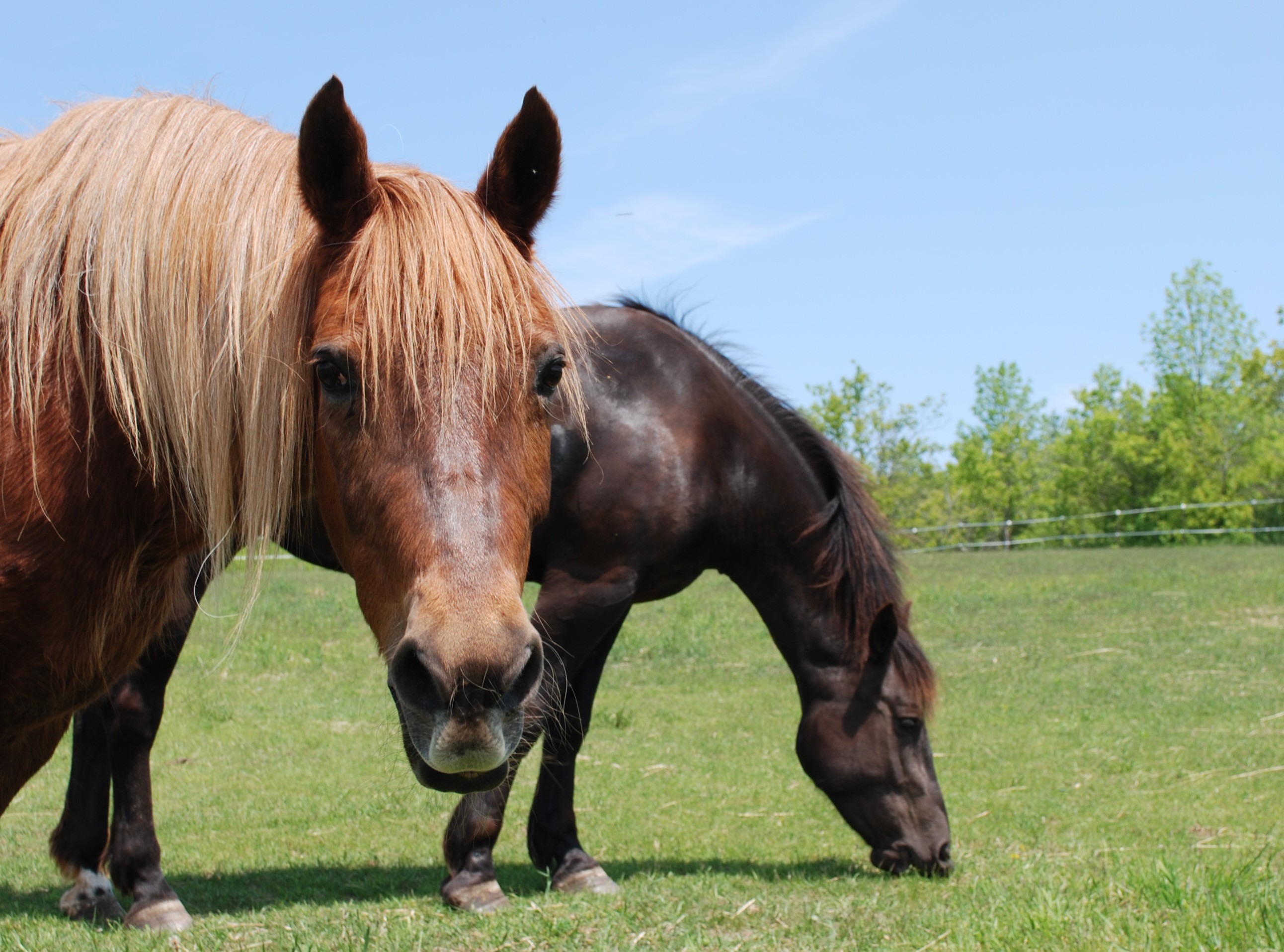 Our mission is to provide clinical psychotherapy that creates change and reduces symptoms by focusing on the origins and impact of adversity that causes personal and relationship dysfunction. Efforts are made to not only uncover conflicts but to provide cognitive and behavioral alternatives that create greater peace of mind and emotional awareness for individuals. In our efforts to heal humans, we have developed an equine-assisted therapy (Interpersonal Equine Therapy/IPET) model that incorporates horses as co-therapists in the uncovering, healing, and change in our treatment processes. We are committed to respect horse integrity and behavior in every moment as we respect the integrity and behavior of humans. It is the juxtaposition of the client and horse with their respective cultures, understanding their power and vulnerability as individuals in social networks, that produces understanding, communication, and change. Horses are not used as tools in our work, but are respected as living, feeling individuals with whom we join in cooperative effort to interact, love, accomplish, and respect.
History
 Interpersonal Therapy, LLC was founded by Sara D. Edwards in 2003 with the implementation of Interpersonal Equine Therapy. Strong emphasis on individuals interacting with themselves and others in the context of their environments is at the foundation of all our clinical work and intervention. All clinical assessment and therapeutic treatment is based on interpersonal theory incorporated with other psychological theorems as prescribed by clinical presentations. Sara’s experience in research with animal societies combined with training in Clinical Psychology has provided a unique perspective on equine-assisted psychotherapy. At Interpersonal Therapy, LLC, our therapeutic treatment is based on dynamic interactive psychotherapy. The theoretical and practical application of IPET is continually evolving from its origins to serve as many clinical populations as possible in clinically relevant and horse-conscientious ways. Ongoing research, seminars, training workshops, and practicums keep this innovative approach growing in application.
 Interpersonal Therapy, LLC
You must be logged in to post a comment.