
 The emotional and physical relationship between horse and person has been found to be therapeutically significant on many levels; including physical therapy, spiritual experiences, and emotional connection and support. Psychologically the relationship between horse and person can provide essential, non-judgmental perception and understanding of dysfunctional behavior and can also provide the motivation and assistance necessary to change behavior for a person‘s psychological and emotional well-being through interpersonal adjustment. Interpersonal Equine Therapy (IPET) © is a systematic approach to psychological therapeutic intervention for people using the horse-person relationship and its dynamics as a representation of the individual’s interpersonal repertoire. The horses are essential in exposing and drawing out the dynamics from a person that are both functional and dysfunctional. This relationship is a wonderful medium for a person to identify problematic behavior and adjust their dynamics towards more healthy behavior and relationships.
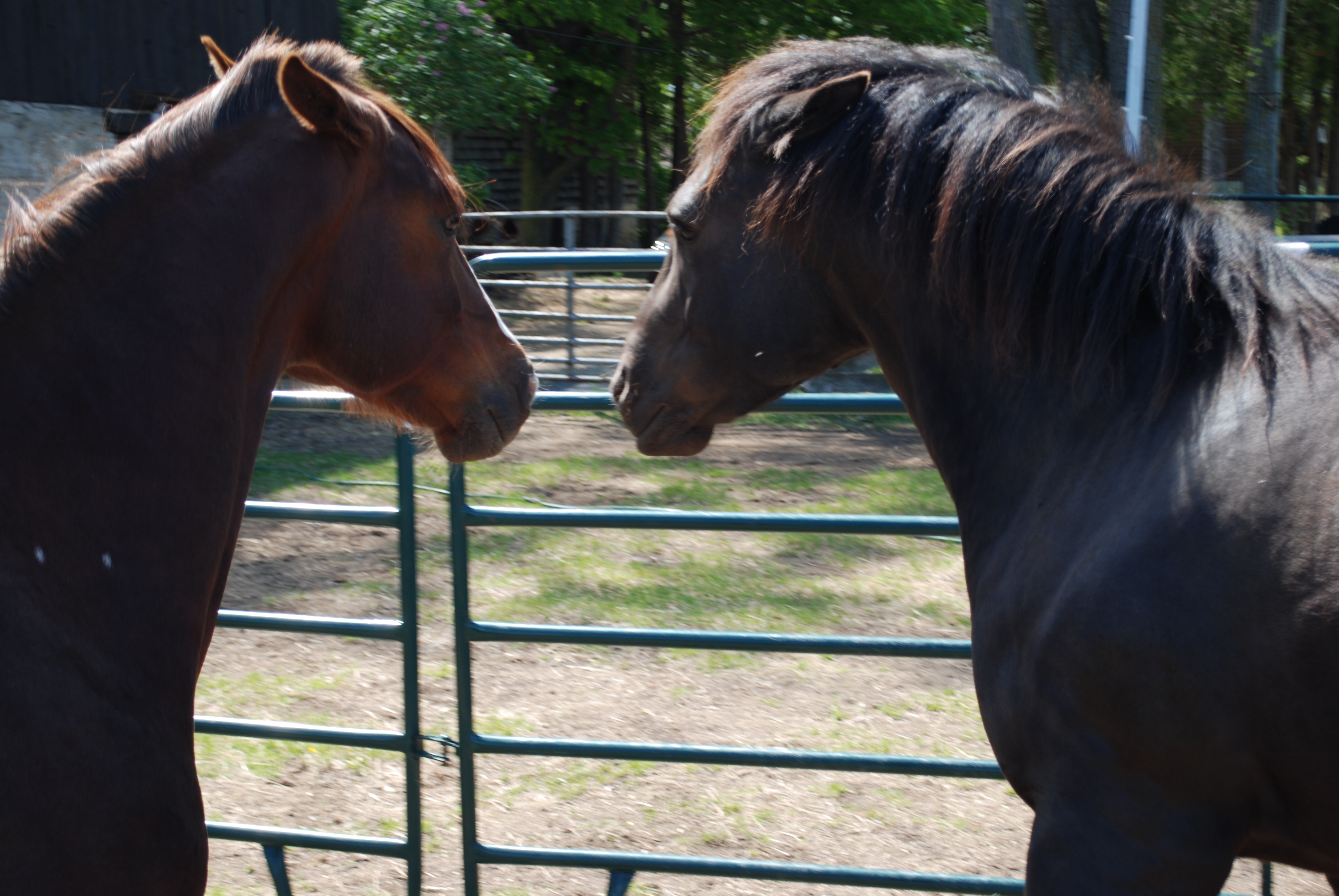 IPET is effective in treating many clinical presentations. While the horse provides effective interpersonal/social/emotional feedback, the horse can also provide biofeedback on an individual’s nervous system, thereby helping the person learn how to self-regulate. IPET is a treatment modality that can be applied to many dimensions of psychological imbalance, be they cognitive, emotional, behavioral, or personality dynamics. IPET reduces treatment time dramatically because of the intensity of the interpersonal awareness of the work, while it also increases the effectiveness of intervention by clarifying the identification of thoughts, feelings, and behavior. Accurate identification of relevant issues to address is revealed by the horse’s reactions and feedback during psychotherapy. Consistently, people are motivated to continue their work with the horse because of their affiliative connection with the horse and the horse’s reactions and feedback during psychotherapy. Psychotherapeutic interventions are successful, meaningful, and produce expected results that affect not only the well-being of the person, and the horse, but always enhance the relationship between them. As prey animals that cannot naturally survive without getting along with others, horses are always aware of themselves in relation to others and their surroundings, thereby role modeling for humans an existential comfort and interpersonal mindfulness.
Theory and Model
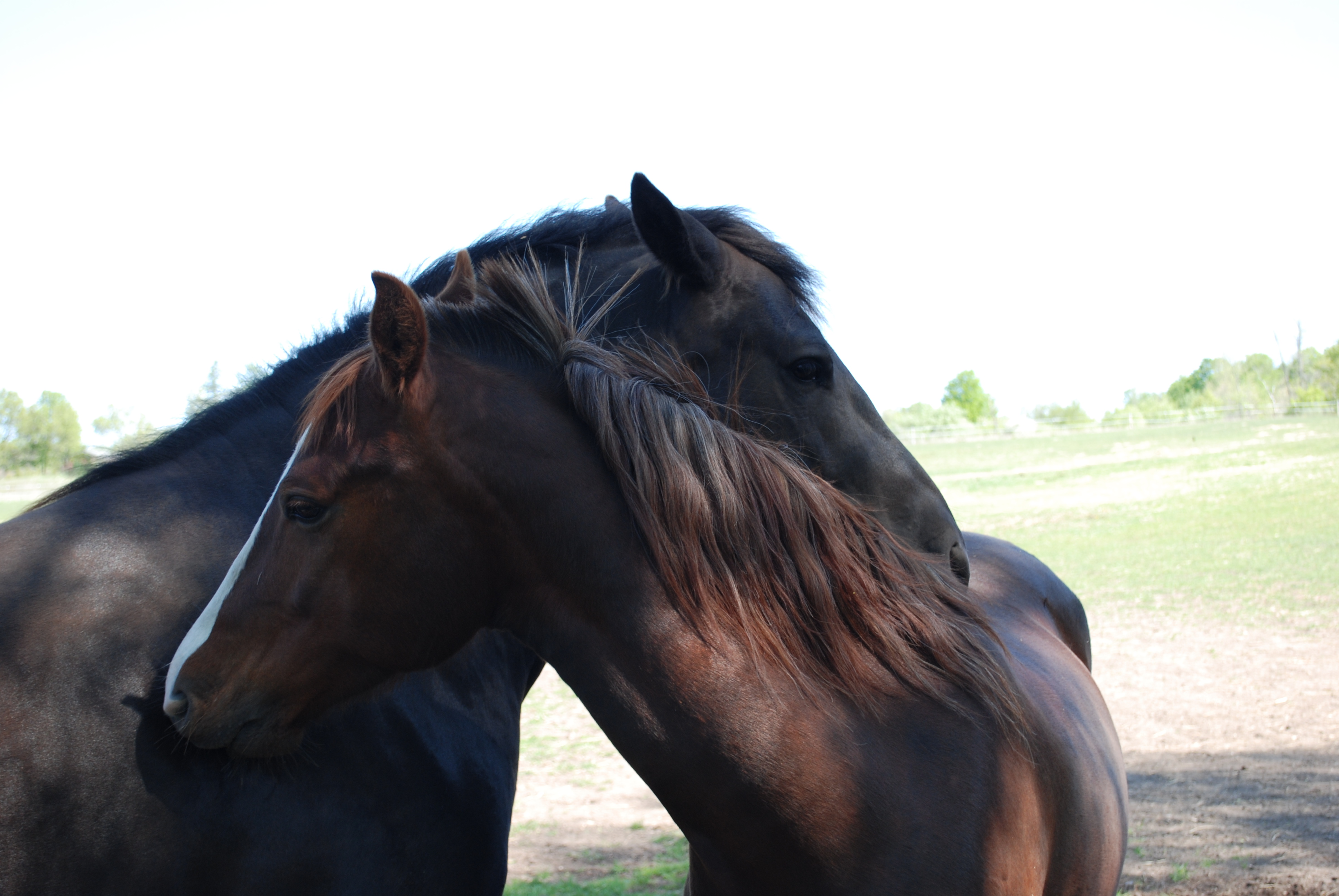
The theoretical construct of IPET is based on the psychiatric theory of Harry Stack Sullivan M.D., and the clinical psychological theories of Timothy Leary and Lorna Smith Benjamin in juxtaposition with the social exchange/interaction and communication theorists of human and animal behavior. The approaches practiced by horse trainers Monty Roberts and K.F. Hempfling have also influenced respectively the theory and practice of IPET. At its foundation, IPET is a circumplex-based model that is used to systematically analyze the components of interpersonal behavior between horse and client. This model can also be used to identify intrapersonal behavior in both the client and horse. Analyzing the transactions that occur, or the absence of essential transactions, helps guide the therapist in working with the client toward therapeutic change with the horse. Interpretation of interpersonal and intrapersonal dynamics offers effective opportunities for therapeutic behavioral intervention and psychological healing and understanding. This model can work compatibly with various psychological theories and guidelines.
 Interpersonal Therapy, LLC
You must be logged in to post a comment.